

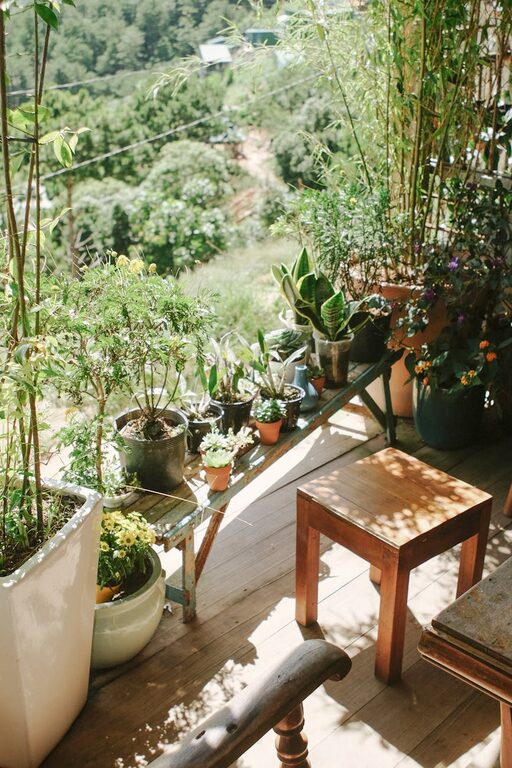
Creating a relaxing home garden space is a wonderful way to bring tranquillity and natural beauty into your daily life. Whether you have a large garden or just a small balcony, designing a peaceful outdoor area can provide a perfect escape from the stresses of everyday living. Here are some helpful tips to help you create your own restful garden sanctuary.
Choose the Right Location
Start by deciding where your relaxing garden space will be. Ideally, choose a spot that feels private, sheltered, and has good natural light. A sunny corner of your backyard or a quiet balcony can work well. Consider how much shade or sun the area receives during the day, and how this suits the plants you’d like to grow.
Think About Privacy
Adding some privacy will help your garden feel like a true retreat. You can use tall plants, hedges, fences, or garden screens to screen off your space, blocking out noise and prying eyes.
Select Calming Plants
Plants are the heart of any garden, and choosing the right ones will really set the mood. Look for plants with soothing colours, gentle scents, and soft textures.
– Lavender: Known for its calming fragrance and lovely purple flowers.
– Ferns: Their lush, green fronds create a cool, shady feel.
– Jasmine: A sweetly scented climber that smells delightful in the evening.
– Grasses and Bamboos: Their gentle rustling in the breeze adds a relaxing sound.
– Herbs: Mint, chamomile, and lemon balm are nice choices that also offer pleasant aromas.
Try to include a mix of plants that bloom at different times to keep your garden interesting all year.
Create Comfortable Seating
A relaxing garden is incomplete without a comfortable spot to sit or lounge. Choose seating that fits your space and style while encouraging relaxation.
– Benches: A simple wooden or metal bench blends easily into garden settings.
– Hammocks: Ideal for larger spaces where you want to sway gently.
– Garden Chairs and Cushions: Add thick cushions or throws for extra comfort.
– Outdoor Sofas: For bigger gardens, these create a cosy social area.
Place your seating where you can enjoy the best views, and where you’ll feel sheltered from strong winds or harsh sun.
Add Soothing Sounds
Sound can greatly enhance a relaxing atmosphere. Consider incorporating gentle, natural sounds that drown out urban noise and help you unwind.
– Water Features: Small fountains, birdbaths, or ponds create calming water sounds.
– Wind Chimes: Made from bamboo, metal, or glass, they add a delicate musical touch.
– Bird Feeders: Attracting birds brings natural chirping and activity to your garden.
Avoid loud or jarring noises that might disturb the peace.
Use Soft Lighting
Lighting is important, especially for enjoying your garden in the evenings. Choose lighting that is soft and subtle rather than harsh and bright.
– String Lights: Drape fairy lights or lanterns around trees or pergolas.
– Solar Garden Lights: Energy-efficient and easy to position along paths and borders.
– Candles: Use scented or unscented candles in lanterns for a gentle glow.
– Spotlights: Highlight plants or water features without overpowering the space.
Make sure any electrical fittings are safe and weatherproof.
Keep It Clutter-Free
A tidy garden helps create a sense of calm. Avoid overcrowding the area with too many ornaments or furniture pieces. Use neat storage solutions for garden tools and accessories to keep everything organised.
Regularly prune and maintain plants to prevent them from becoming overgrown. Clear paths and seating areas allow you to move freely without stress.
Incorporate Personal Touches
Your garden should reflect your personal style and what makes you feel relaxed. Add elements that bring you joy, such as:
– A favourite sculpture or artwork.
– A cosy outdoor rug.
– Colourful pots or plant stands.
– A book nook or a small table for tea.
– Soft blankets for chilly evenings.
These little touches make your garden space more inviting and uniquely yours.
Consider Practical Elements
If you plan to use your garden throughout the year, think about features to make your space practical as well as relaxing:
– Shade Structures: Pergolas, umbrellas, or awnings provide shelter from sun or light rain.
– Heating: Outdoor heaters or fire pits can extend the usability of your garden into cooler seasons.
– Pathways: Clear paths make navigation easier and prevent damage to plants.
– Bug Control: Use citronella candles or plants like marigolds to keep insects at bay naturally.
Maintain a Relaxation Routine
Lastly, a garden alone won’t provide relaxation unless you take the time to enjoy it. Make space in your routine to sit and breathe deeply, read a book, garden mindfully, or simply watch the wildlife. The more you visit your peaceful outdoor space, the more restorative it will become.
—
Creating a relaxing home garden space is about blending beauty, comfort, and nature in a way that suits you. With some thoughtful planning and care, you can design a garden that offers peace and pleasure every day. Happy gardening!