

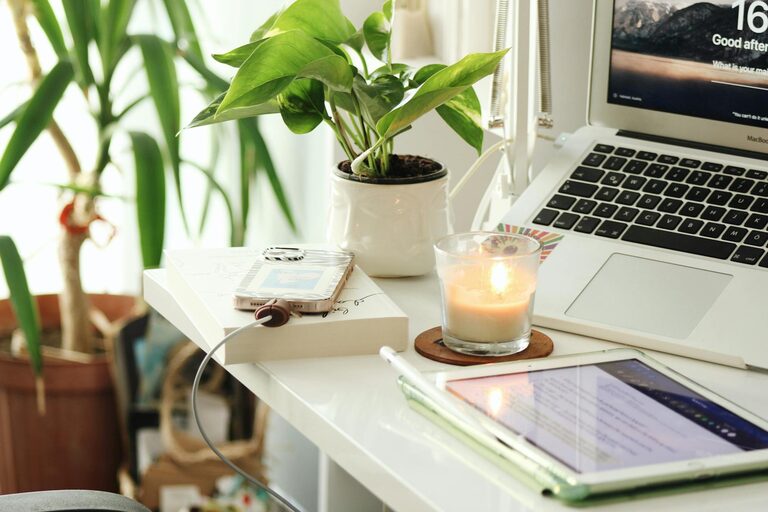
Creating a productive home office space is essential for anyone working remotely or managing tasks from home. A well-organised and comfortable environment not only increases efficiency but also promotes wellbeing and reduces stress. Whether you have a dedicated room or a small nook, the following tips will help you design a workspace that encourages focus and creativity.
Choose the Right Location
The foundation of a productive home office is picking the most suitable spot in your home. Ideally, this should be a quiet area with as little foot traffic and distractions as possible. Natural light is a bonus, as it helps keep you alert and can improve mood.
– Avoid high-traffic zones like the kitchen or living room.
– Position your desk near a window if possible.
– Consider noise levels; use noise-cancelling headphones if needed.
Invest in Comfortable and Functional Furniture
Comfort plays a crucial role in maintaining productivity, especially during long working hours.
Desk
Select a desk that fits your space and work habits. If you use multiple monitors or need space for paperwork, choose a larger desk. Adjustable desks that allow you to sit or stand are a great option to improve posture.
Chair
A good ergonomic chair supports your back and encourages correct posture. Look for adjustable height, lumbar support, and comfortable cushioning.
Declutter and Organise Your Workspace
A tidy space can lead to a clearer mind. Keep only the essentials on your desk to avoid distractions.
– Use storage solutions such as drawers, shelves, and organisers.
– Cable management reduces clutter and prevents tangling.
– Regularly clean and tidy your workspace to maintain order.
Optimise Lighting
Proper lighting reduces eye strain and helps maintain focus during work hours.
– Use a combination of natural light and task lighting.
– Position your desk so that light doesn’t cause glare on your screen.
– Consider adding a desk lamp with adjustable brightness.
Personalise Your Space
A workspace that feels welcoming can enhance motivation.
– Add plants to purify the air and boost mood.
– Display a few personal items or artworks that inspire you.
– Choose colours that you find calming or energising, depending on your preference.
Manage Technology Efficiently
Ensure your technology supports your workflow rather than hinders it.
– Invest in reliable, fast internet and essential peripherals like a good keyboard and mouse.
– Use a monitor at eye level to reduce neck strain.
– Keep chargers and devices organised and within easy reach.
Establish Boundaries and Routine
Creating a clear distinction between work and home life helps productivity.
– Set regular working hours and communicate these to household members.
– Use visual cues like opening or closing your office door to signal work time.
– Take regular breaks and step away from your desk to recharge.
Maintain Good Air Quality and Temperature
A comfortable temperature and fresh air contribute to better concentration.
– Open windows when possible to let in fresh air.
– Use fans or heaters to regulate temperature.
– Consider an air purifier if your home tends to be dusty or stuffy.
Incorporate Ergonomic Accessories
Small additions can make a big difference in comfort.
– A footrest can improve circulation.
– Wrist supports help reduce strain when typing.
– Screen filters reduce blue light exposure.
Utilise Effective Time Management Tools
Organising your tasks can help maintain focus and productivity.
– Use planners, calendars, or apps to schedule work.
– Break tasks into smaller steps to avoid feeling overwhelmed.
– Set timers for focused work sessions, such as the Pomodoro Technique.
—
Creating an efficient and comfortable home office space involves careful planning and consideration of your personal needs and work style. By following these tips, you can design a space that not only supports your productivity but also promotes a healthier and more enjoyable work-from-home experience. Remember, the best workspace is one tailored to you, so don’t hesitate to make adjustments as you settle into your routine.