

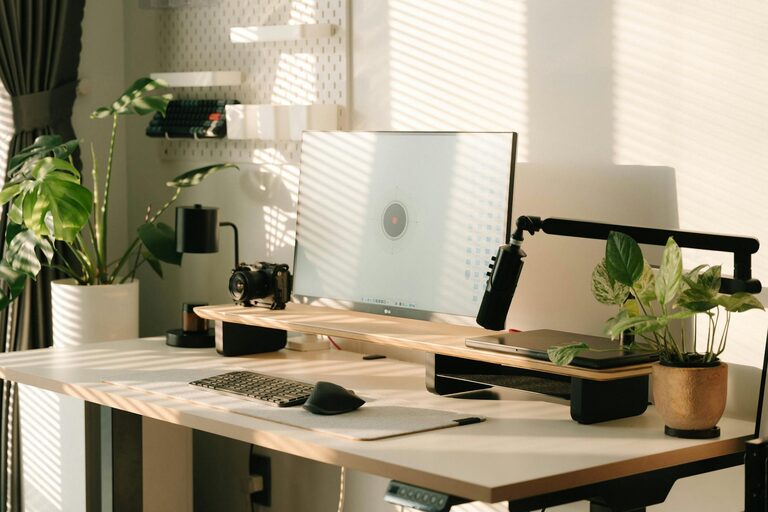
Creating a home workspace that is both relaxing and productive can make a significant difference to your workday. Whether you are working remotely full-time, freelancing, or simply need a dedicated spot for occasional tasks, your environment plays a crucial role in how efficiently you work and how comfortable you feel.
In this post, we explore practical tips to help you design a workspace that balances calmness with functionality, enabling you to stay focused and relaxed throughout your work hours.
Why Your Home Workspace Matters
The space where you work influences your mindset and output. A cluttered or uninspiring workspace can lead to distractions and burnout, while an organised, inviting area helps maintain motivation and clarity.
When creating your workspace, consider factors such as lighting, comfort, organisation and aesthetics. By paying attention to these, you can craft an environment that supports both productivity and well-being.
Choose the Right Location
Find a Quiet Spot
Select a space in your home where you can work without too many interruptions. This might be a spare room, a corner in the living room, or even a section of your bedroom. The key is finding somewhere quiet and relatively free from noise and distractions.
Natural Light is Key
If possible, position your workspace near a window to benefit from natural light. Sunlight helps improve mood, reduces eye strain, and increases alertness. If natural light is limited, invest in good quality artificial lighting that mimics daylight.
Invest in Comfortable Furniture
Pick an Ergonomic Chair
Your chair is one of the most important aspects of your workspace. Choose one that supports your back, encourages good posture and is adjustable to your height. Sitting comfortably can reduce fatigue and prevent discomfort during long working hours.
Use a Suitable Desk
Your desk should be large enough to hold your computer, documents and other essentials without feeling cramped. The height should allow your arms to rest comfortably while typing or writing.
Declutter and Organise
Keep Surfaces Clear
A tidy desk helps clear your mind and improves focus. Only keep items you use regularly on your desk, such as your computer, notepad, or stationery.
Use Storage Solutions
Drawers, shelves, and organisers help keep paperwork and supplies out of sight but within reach. Label boxes or files for easy access and create a filing system that works for you.
Personalise Your Space
Add Plants
Indoor plants have a calming effect and improve air quality. Choose easy-to-care-for varieties like succulents or spider plants, and place them on your desk or nearby shelves.
Decorate with Inspiring Items
Include artwork, photos or objects that motivate you. Keep it simple to avoid clutter but add a touch of personality that makes the space pleasant to be in.
Manage Noise and Distractions
Use Noise-Cancelling Headphones
If you cannot control external noise, noise-cancelling headphones or earbuds can help create a quiet bubble, enabling you to concentrate better.
Set Boundaries
If you share your home with others, set clear work hours and communicate your needs for quiet during those times. Using a sign on your workspace or a simple routine helps signal when you should not be disturbed.
Optimise Your Technology
Ensure Good Internet and Equipment
Reliable internet is essential for most home working. Check your connection speed and upgrade if necessary. Use a good quality computer, keyboard and mouse to make tasks easier and more comfortable.
Minimise Screen Glare
Position your screen so that it doesn’t face bright windows or direct light sources to reduce glare and eye strain. Adjust brightness settings and consider using a screen filter if needed.
Take Regular Breaks
Follow the 20-20-20 Rule
Every 20 minutes, take a 20-second break to look at something 20 feet away. This helps relax your eyes and reduces fatigue.
Move Around
Stand up, stretch or take a short walk every hour. Physical movement improves circulation and can increase alertness.
Maintain a Balanced Routine
Set Work Hours
Having a clear start and finish time helps create work-life boundaries and prevents burnout. Stick to your schedule as much as possible to maintain balance.
Incorporate Relaxation Techniques
Consider brief mindfulness exercises, deep breathing or light stretches during breaks to manage stress and stay calm.
—
Designing a home workspace that is both relaxing and productive is highly achievable with thoughtful planning. By choosing the right location, investing in comfort, staying organised and personalising your environment, you create a space that helps you focus and feel at ease. Remember to manage distractions, optimise your technology, and take regular breaks to maintain well-being throughout your workday.
With these tips in mind, your home workspace can become a place where productivity and relaxation go hand in hand.