

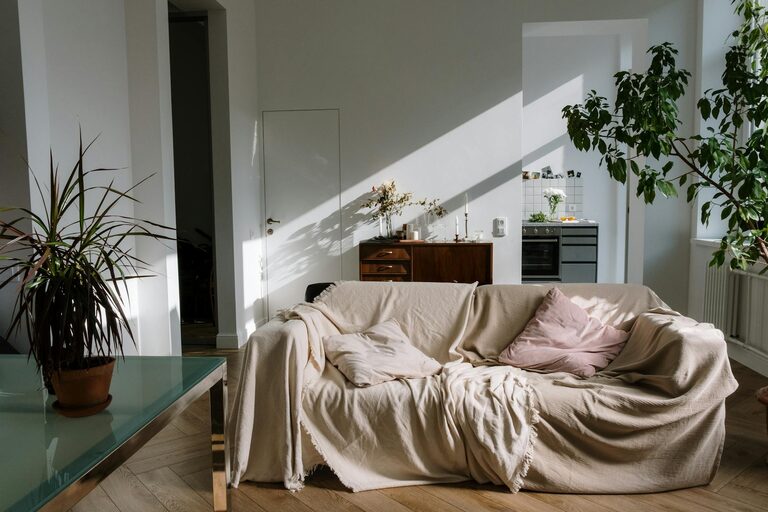
Creating a relaxing home environment is essential for supporting your wellbeing. With the pace of modern life often hectic and stressful, having a tranquil space where you can unwind and recharge is invaluable. Luckily, making your home feel calm and welcoming doesn’t require a complete overhaul — even small adjustments can make a big difference. Here are some practical tips to help you create a soothing atmosphere that nurtures your mind and body.
Declutter to Clear Your Mind
A cluttered space often leads to a cluttered mind. Piling up belongings can cause stress and distraction, making it harder to fully relax at home. Start by tidying up common areas such as the living room, kitchen, and bedroom. Consider donating or recycling items you no longer need.
Decluttering tips:
– Sort items into categories: keep, donate, recycle
– Use storage boxes or baskets to organise belongings
– Keep surfaces like tables and counters clear of unnecessary things
– Regularly maintain your decluttered space by dedicating 5–10 minutes daily
Choose Soothing Colours and Lighting
Colour and lighting have a strong impact on mood. Soft, neutral tones such as pale blues, greens, and greys are known to create a calming effect. If repainting isn’t an immediate option, introduce these shades through cushions, throws, curtains or rugs.
Natural light is ideal for enhancing wellbeing. Make the most of daylight by using sheer curtains or positioning mirrors to reflect light around rooms.
Lighting tips:
– Use warm LED bulbs for a cosy atmosphere in the evening
– Add layers of light: combine overhead, task, and ambient lighting
– Incorporate candles or salt lamps for gentle, calming illumination
Bring Nature Indoors
Plants are a fantastic way to improve air quality and create a sense of calm. They add colour, texture, and a feeling of connection to nature.
Easy-to-care plants:
– Spider plants
– Snake plants
– Peace lilies
– Pothos
If you don’t have a green thumb, try faux plants or fresh flowers, which can also brighten up a space.
Create Dedicated Relaxation Areas
Designate specific zones in your home where you can disconnect and recharge. It might be a comfy chair near a window, a cosy reading nook, or a corner with cushions and soft blankets.
Consider adding elements that enhance comfort and relaxation, such as:
– Soft throws and cushions
– Aromatherapy diffusers with essential oils like lavender or chamomile
– Sound machines or calming playlists
Minimise Noise Distractions
Excess noise can be a significant source of stress. To reduce noise:
– Use rugs and curtains to absorb sound
– Close doors between noisy and quiet areas
– Play calming background music or nature sounds to mask disruptive noise
If outdoor or street noise is unavoidable, noise-cancelling headphones may be a good investment.
Establish a Technology-Free Zone
Electronics can often disrupt relaxation, especially if you use your phone or computer for work late into the evening. Creating technology-free zones or times helps your mind wind down.
Try to:
– Keep bedrooms free of screens
– Limit phone use at least an hour before bedtime
– Use books, puzzles, or journaling to engage in relaxing activities instead
Incorporate Personal Touches
Adding elements that make you feel emotionally grounded can greatly boost your home’s relaxing vibe. Photographs, artwork, meaningful souvenirs, or meditation cushions can contribute to a comforting personal sanctuary.
Maintain a Pleasant Scent
Good smells can positively affect mood and relaxation. Scented candles, essential oil diffusers, or fresh herbs like rosemary and mint can refresh your space.
Avoid overpowering or artificial fragrances, and ensure good ventilation to keep air fresh.
Practice Regular Maintenance and Cleaning
Keeping your home clean and orderly prevents feelings of chaos and distraction. Establish a simple cleaning routine that fits your lifestyle, so your space stays inviting without requiring overwhelming effort.
Final Thoughts
Designing a relaxing home environment is a blend of decluttering, lighting, sensory details, and personal comfort. It’s about creating a place where you feel safe, calm, and free to recharge. Implementing even a few of these tips can provide noticeable improvements to your wellbeing and help your home truly become your sanctuary. Remember that your surroundings have a direct impact on your mental and emotional health — investing in your space is an investment in yourself.